
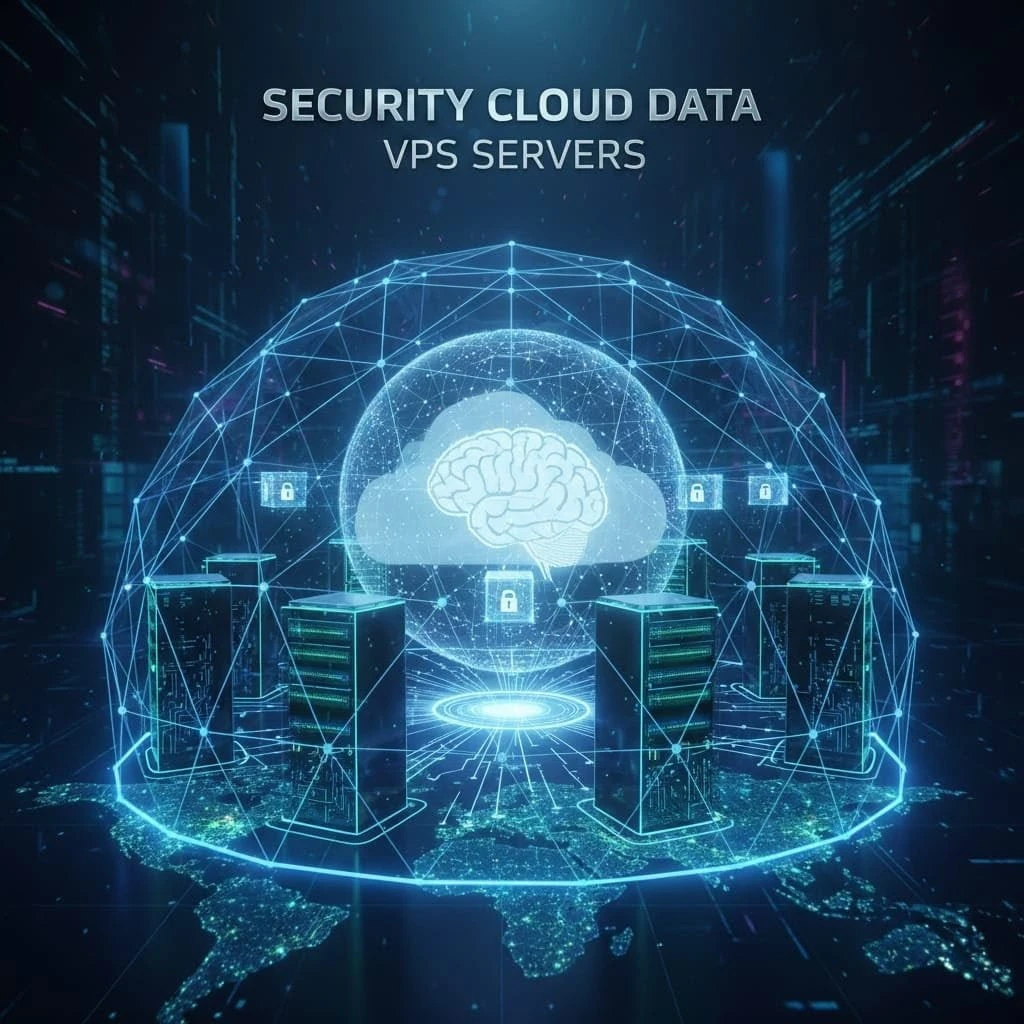

Cloud computing is now very important in business. It helps programmers grow and supports online platforms today. The cloud is where companies store their precious data like the information of their customers, applications, and backups. However, the rise of cyber threats has made security cloud data with VPS servers more important than ever.
Hackers look for weaknesses to gain illegal access. They use brute force attacks and exploit weak hosting platforms. This is why people now consider VPS servers a reliable solution for securing cloud data.
VPS offers increased isolation, control and increased security as compared to shared hosting. It enables users to secure their information whilst being observant and performance-focused.
Emerging Cloud Data Security Imperative
The information stored in the cloud is in constant connection with the net hence prone to mischief. Data breaches, server hijacking, and information leaks may take place without the necessary protection. A lot of security-related incidents occur due to the absence of control and monitoring in hosting environments.
VPS servers minimise these risks. VPS hosting provides an isolated and private environment to assist organizations in securing information that is sensitive to the organization and information integrity.
Virtual Private Server VPS Defined
VPS is a hosting service that has been formed by using a form of virtualization technology. A physical machine splits into several virtual servers that operate independently. Each VPS contains its operating system, storage space, CPU and RAM.
VPS servers provide a separate environment for users. This is different from shared hosting, where users share the same space. This is one of the major reasons of cloud data safety and cross-account security threats prevention.
Devoted Resources and Improved Isolation
Access to dedicated resources is also one of the assets of VPS servers. You have dedicated resources in your server that other users do not influence. This is because of its isolation, which provides uniform performance and enhances security.
When someone compromises a web site in a shared hosting setup, they can also compromise other web sites on the same server. VPS hosting does not allow this risk to occur as there is isolation of users.
Total Control of Server Security
VPS hosting provides complete access to the server. Users can install the security software. They can also manage permissions and set up servers based on their needs. With this control, businesses are able to use high levels of security.
Users can make updates, manage vulnerabilities, and upgrade their systems. They also have control over the operating system. This allows them to take the necessary actions. This level of customization is not possible with shared hosting solutions.
Firewall Rules and Network Traffic Monitoring
The cloud servers must be secured using firewalls. VPS servers will enable them to open and write their own firewall rules to regulate incoming/outgoing traffic. These regulations facilitate blocking the suspect linkages and only accessing secure sources.
It is also important to monitor network traffic. Administrators will notice unusual patterns in traffic. They can spot issues like traffic floods or bad access attempts. This prevention of attacks in the form of cloud monitoring increases security.
Secure Access with SSH Keys
VPS servers have secure authentication such as SSH keys which are more secure to use as compared to passwords. Encrypted SSH keys help verify a user’s identity, making it very difficult for an attacker to breach the network.
The SSH key usage can secure the VPS servers against a brute force and minimize the threats of stolen credentials. This is one of the most effective methods for securing cloud data.
Deterrence of Unauthorized Attempts of Access
Cyber attackers often use automated systems. This allows them to make many repeated attempts to log in, even if they fail. Such attacks are to guess the passwords and access the servers.
VPS servers allow a user to install a device that identifies and prevents such activity. VPS hosting keeps data safe by stopping unauthorized access. It limits login attempts and blocks suspicious IP addresses.
Value of a Dedicated IP Address
VPS server also has its own IP address, which is even more secure and reputable. Shared hosting requires many websites to share the same IP, which increases chances of being blacklisted.
In the event that an additional site on a shared IP is active with spam or malicious activity, the same situation could happen to your web site. Using VPS servers, isolation and protection are enhanced with the dedicated IP.
Indicating and Prevention of Malevolence
VPS extends provide enhanced monitoring technologies that identify maliciousness on a dynamic basis. These are tools that scan malware, intrusion attempts and suspicious processes.
Early identification aids administrators to act in a swift manner to avoid losing information. This renders VPS hosting a superior option to the companies that are concerned with cloud data security.
Security VPS Servers vs Shared Hosting
In the case of VPS server as opposed to the shared hosting, the distinction in terms of the level of security is evident. Shared hosting has less customization and is without sufficient protection against attacks.
VPS servers offer isolated instances, superior controls and tailored security options. This makes them significantly useful when using sensitive data on a cloud by companies.
VPS has Scalability and Security
Modern VPS provides scalable hosting services whereby users can upscale services as their requirements increase. The importance of the resources can be extended to meet the growing volume and traffic of data without the needs of compromising the security.
This scalability ensures that security cloud data with VPS servers remains effective in the long term, even as business requirements evolve.
VPS Servers vs. Dedicated Servers
Dedicated servers provide the highest level of control, and the physical isolation, but such services can be very costly. VPS servers also offer such security advantages at a cheaper price.
In the case of small and medium sized companies, VPS servers are the best compromise in terms of performance, prices, and protection of data.
Best Practices in Securing Cloud Data on VPS Servers
In order to ensure high quality of data protection, the VPS users are expected to adhere to following best practices:
- Please maintain the operating system.
- Use pass keys as opposed to passwords.
- Firewall rules are to be set with caution.
- Observing network traffic on a routine basis.
- Restrict user permissions.
- Backup data frequently.
The above measures will support the safe and stable VPS environment.
VPS Cloud Security Long-term Benefits
VPS servers are secure in the long run since they offer control, isolation, and flexibility. They are highly flexible to new security threats and enable protection strategies to be improved continuously.
VPS hosting allows the business to be compliant, guard sensitive information, and obtain reliable cloud operations.
Conclusion
In a world where cyber threats are constantly increasing, security cloud data with VPS servers has become a necessity rather than an option. VPS server provides complete resources, isolation power, and security that highly minimizes the threats e.g. no access, brute force and malicious attempts.
The VPS servers have better data protection, scalability, and control than shared hosting. VPS hosting is an effective and strong secure cloud in the long term data security of the businesses and individuals who recognize the importance of a secure cloud environment.